
NextCup Coffee — Our Story
Before it was
a brand, it was
a family memory.
Two countries. Five centuries of cultivation. One family that never stopped knowing where the good coffee came from.
A note from the founders
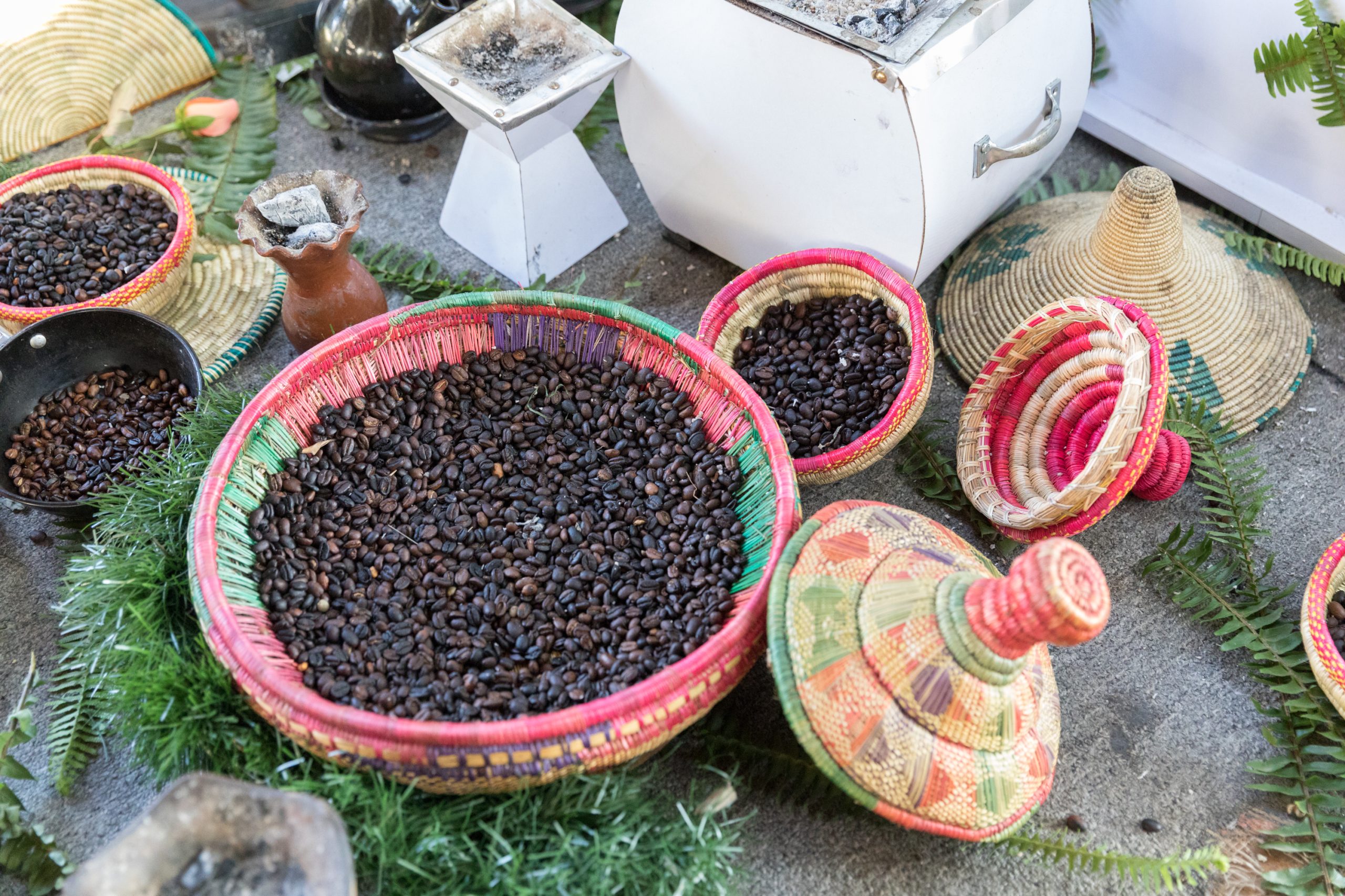
I grew up watching my grandmother roast green coffee in a clay pot over an open fire. She'd stir slowly with a long wooden spoon, not because it was the efficient method, but because it was the respectful one. The smell would fill the house and then the street. Neighbors would come. No one was ever turned away.
My family is a Yemeni and traded coffee with Ethiopians. People from Yemen along with Ethiopia have a claim on coffee that predates almost every other nation's coffee history. Ethiopia is where the arabica plant originated, not cultivated, but discovered, wild in the forest. Yemen is where it was first traded as a commodity, first roasted deliberately, first brewed as a daily ritual. The world's café culture began in Yemen's qahweh houses in the 1500s. My great-grandmother was already there.
We didn't start NextCup because we loved coffee. We started it because we had spent our whole lives surrounded by extraordinary coffee that the rest of the world had no idea existed — Yemeni landraces that haven't changed in 500 years, Ethiopian naturals that still taste like the forest they came from and we thought that was a problem worth doing something about.
Coffee didn't find us.
We were already there.
Ethiopia is where Coffea arabica originated not on a farm, but in the wild. The southwestern highlands of Kaffa are still called the birthplace of coffee. Our family's roots are there. We don't say that to claim ownership of something that belongs to no one. We say it to explain the seriousness with which we take our work.
Yemen is where the world's first coffee trade happened. The port of Mocha; yes, that Mocha shipped coffee to Arabia, Persia, and Europe starting in the 1400s. The qahweh houses of Sana'a invented what we now call café culture. Our family's roots are there too. This isn't branding. This is history, and it's ours.
🇪🇹EthiopiaBirthplace of Arabica — c. 850 AD
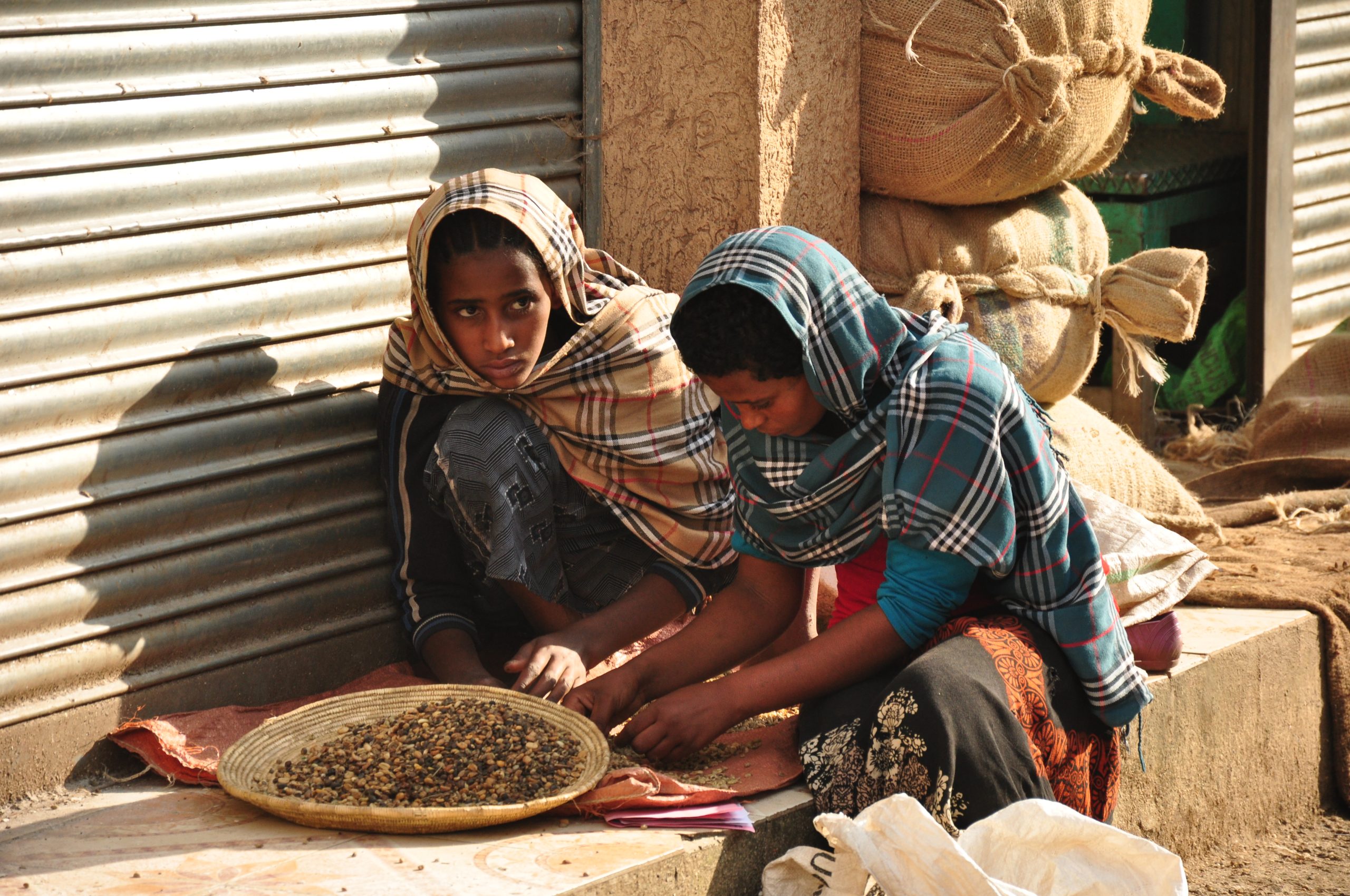
Kaffa region. Wild arabica discovered by a goat herder named Kaldi, according to the legend. What isn't legend: over 99% of arabica's global genetic diversity still lives here. Yirgacheffe, Sidama, Harrar, Jimma where we've sourced from all of them.
🇾🇪YemenFirst Coffee Trade — c. 1450 AD
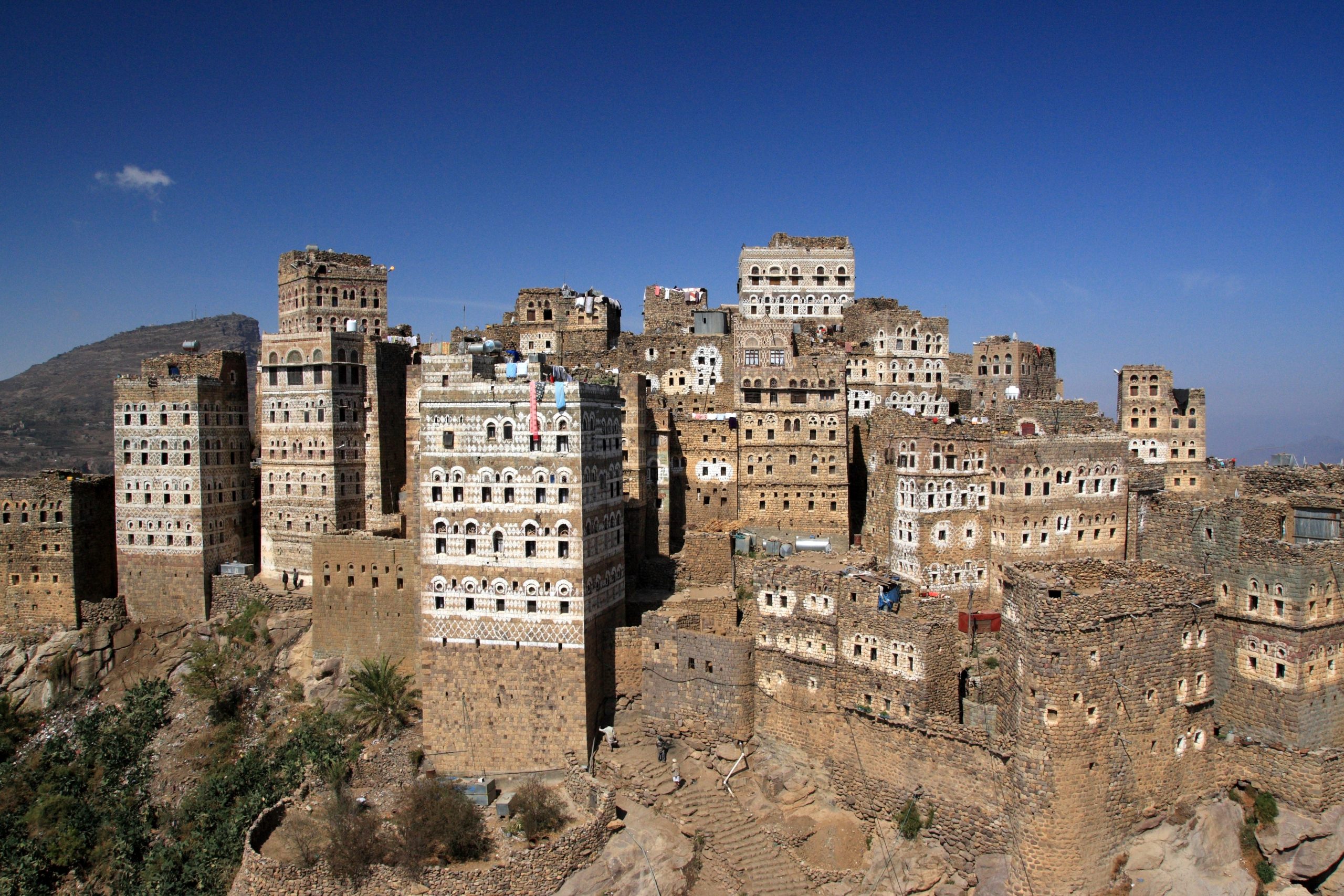
Haraaz. Bani Matar. Raymah. Mountain terraces at 2,000–3,000 meters, built by hand, unchanged for five centuries. Ancient varieties that predate everything in Colombia, Brazil, Guatemala. We still source from these farms. It is the hardest, most important work we do.
Year Founded — 2025
NextCup Coffee is operated by Next Cup LLC, based in Dearborn, Michigan. We started as a wholesale operation. Most brands don't admit that. We think it matters.
We started by trying to fix something nobody else was bothering to fix.
Yemeni coffee had all but disappeared from the American specialty market. Not because it stopped being extraordinary, but because a decade of conflict and fractured supply chains had made it functionally invisible to buyers. Specialty coffee shops could name fifteen Kenyas and a dozen Colombias but drew blank on Yemen. That gap bothered us in a personal way.
So we started sourcing directly building relationships with farming families in Haraaz and Bani Matar who were still growing some of the most genetically rare coffee on earth. We found American roasters willing to take a chance. We found wholesale buyers curious enough to try something they'd never seen on a menu before.
The response that meant the most didn't come from roasters or buyers. It came from coffee shop owners who are Yemeni and Ethiopian immigrants who had built cafés in Houston, Minneapolis, Detroit, New York who tasted what we were bringing and said, almost word for word: we grew up drinking this.
Those were our first real customers. They pushed our standards harder than anyone else could have. They knew what the coffee was supposed to taste like. They weren't going to accept anything less. Neither were we.
"The first coffee shops that truly understood what we were doing were owned by people whose grandmothers made coffee the same way mine did. That wasn't a market opportunity. That was recognition."
— NextCup Coffee, on the early days
Your next cup is already growing somewhere we know by name.
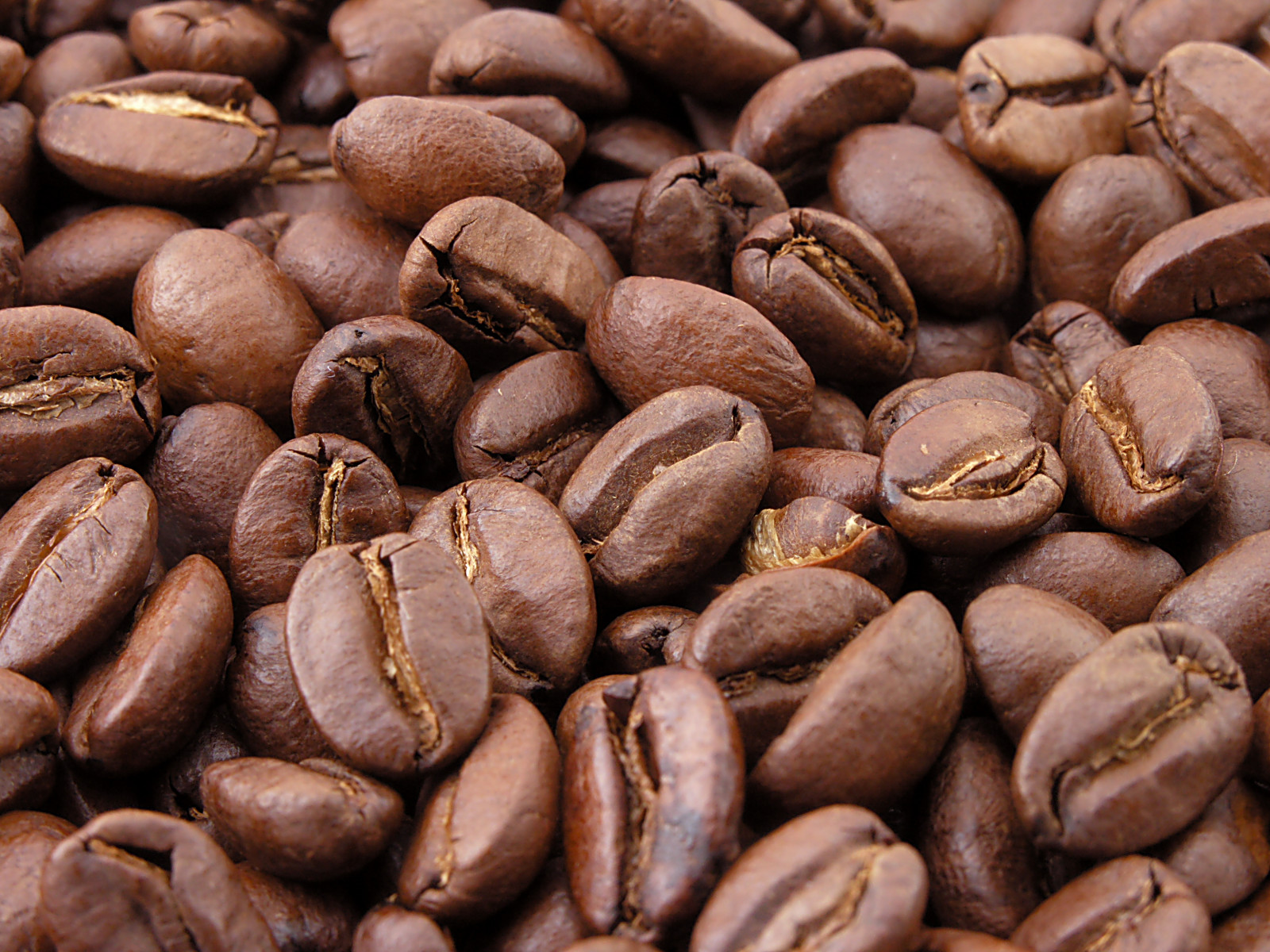
In the stone terraces above Haraaz, in the forests above Yirgacheffe, in Cauca and Tarrazu and Sumatra the coffee in your next bag is ripening right now. A farmer we know by name is watching it. We'll cup it at harvest. We'll roast it the week after you order.
That's the supply chain we built. Short, specific, and accountable. We know where the coffee is before it reaches you. We know who grew it and what they were paid. We stand behind every lot with our names.
That's it. That's the whole story.
